
Judge rejects Apple’s bid to toss DOJ's antitrust case in major blow to tech giant

Updated: Jul 1, 2025
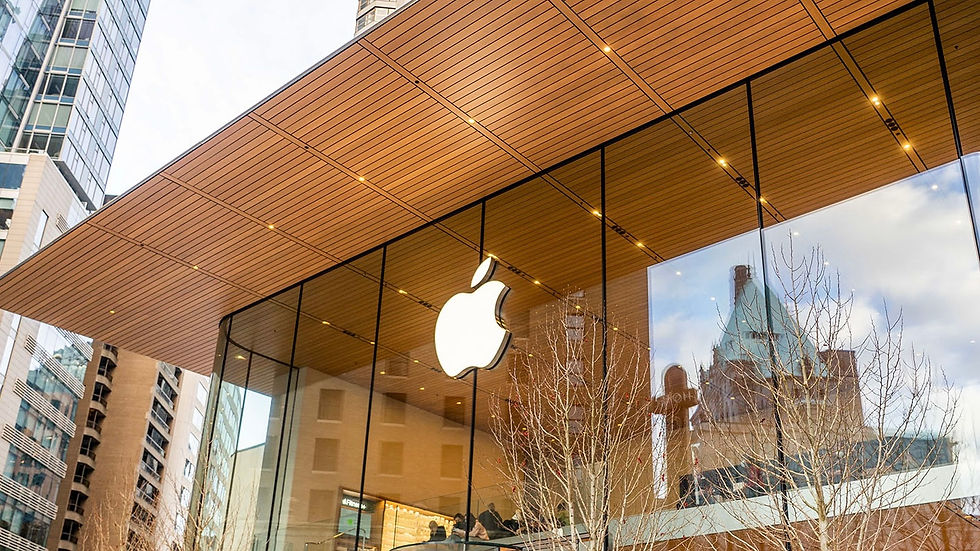
Apple is heading toward one of the most consequential legal battles in its history after a federal judge declined to dismiss an antitrust lawsuit brought by the U.S. Department of Justice. The case, which targets Apple’s control over its devices and services, will now proceed to trial — raising the possibility of sweeping changes to the company’s business practices.
Originally filed in 2024, the DOJ’s case accuses Apple of building invisible barriers around its ecosystem, making it difficult for competitors to thrive and consumers to switch. The lawsuit doesn’t focus on one product but rather questions the entire structure of Apple’s tightly integrated hardware and software approach, which the government argues harms innovation and locks users in.
Apple had asked the court to throw out the lawsuit early, arguing that its business decisions are legal and pro-consumer. After months of delay, a new judge assigned to the case has now denied that request. The courtroom battle ahead will scrutinize how Apple manages features like iMessage, Apple Pay, Apple Watch integration, and its NFC system — and whether it does so in a way that unfairly tilts the market in its favor.
This lawsuit follows years of mounting global pressure on Apple to loosen its grip on key technologies. In the U.S., the Spotify-led complaints dating back to 2019 planted early seeds for government interest. In the European Union, the Digital Markets Act has already pushed Apple to change course on some App Store policies and payment options. The DOJ appears ready to take a similarly aggressive stance.
Though Apple has made recent changes — including supporting RCS for messaging and enabling third-party developers to use tap-to-pay — regulators argue that these steps are too little, too late. Critics say Apple tends to open access only after legal or regulatory pressure, and that meaningful competition is still being held back.
One of the case’s most debated points is how Apple allegedly suppresses the development of “super apps” — platforms that could offer services like messaging, payments, and commerce all in one. While these apps are common in other markets, U.S. developers have long claimed that Apple’s rules prevent such innovation from reaching iPhone users.
Cloud gaming is another area that may be examined at trial. While Apple technically allows it under current policies, companies like Microsoft have hesitated to bring services like Xbox Cloud Gaming to iOS, citing friction in the approval process. Apple argues it’s simply applying consistent rules to all developers, but the DOJ may frame these restrictions as barriers to entry.
The trial could stretch on for years, and even if Apple prevails, appeals are likely. In the meantime, the company may face pressure from lawmakers and regulators across both political parties, who have signaled continued interest in reining in big tech.
If the DOJ succeeds, Apple could be forced to open more of its platform to third-party services, change how it handles default apps, or even rethink how the iPhone integrates with other devices. And while Apple insists its ecosystem provides superior user experience and privacy, it may now have to convince a judge that these benefits don’t come at the cost of competition.


